
Four little statements that can change everything!
It is so good to be home!
Over the past few months, I’ve had the incredible gift of stepping away for my Inter-Mission — a time of rest and renewal that the Presbyterian Church in Canada encourages ministers to take every five years.
And what a gift it has been!
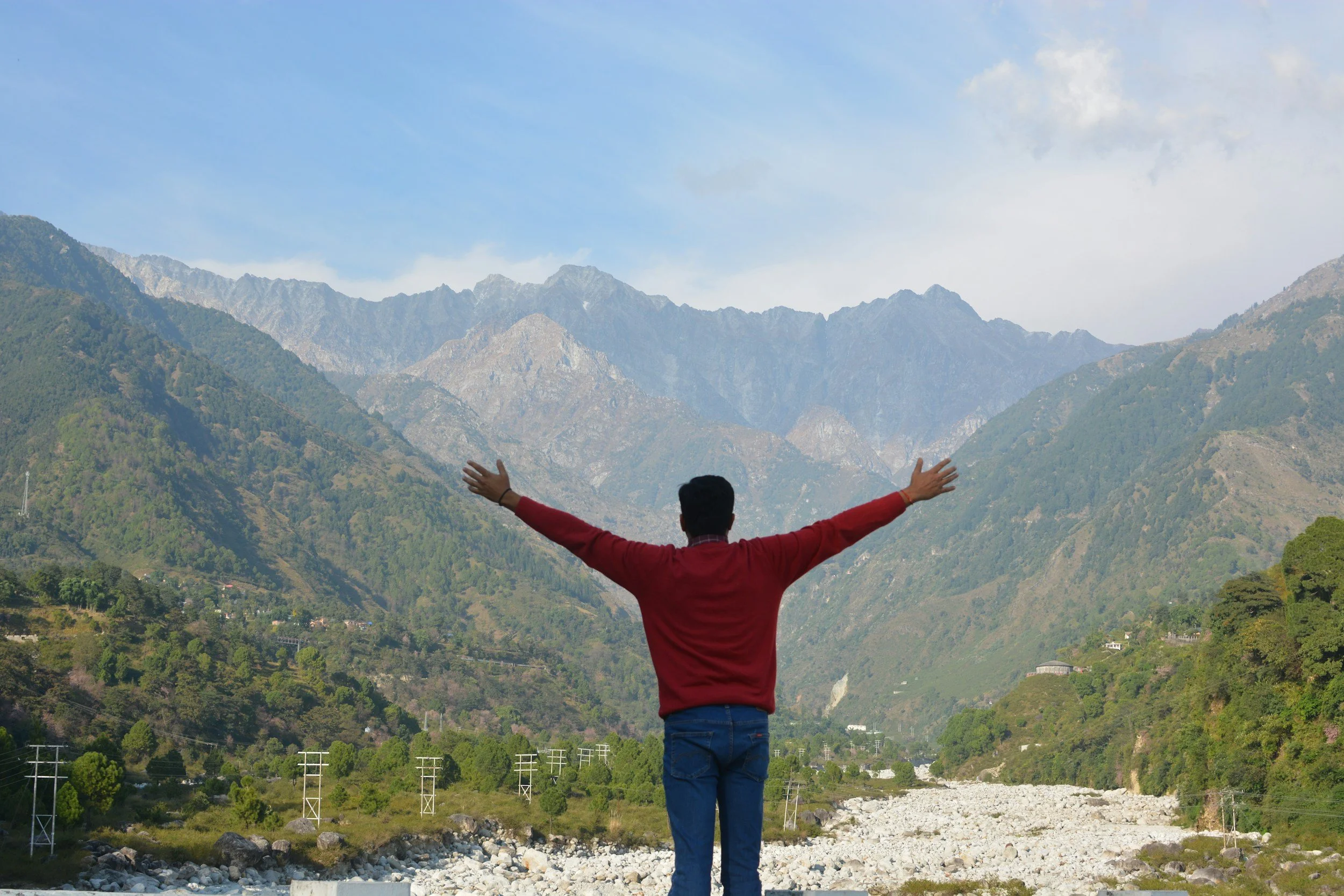
There was time to rest, pray, read, travel, take in the beauty of God’s creation, and simply slow down. I had precious time with family, including cuddles with my two new grandsons and plenty of playtime with my three-year-old granddaughter. (Let’s just say that keeping up with a three-year-old is a ministry all on its own!)
When people ask me, “So, how was your Inter-Mission?” my answer is pretty simple:
It was exactly what my soul needed.
One of the things I discovered during this season is that gratitude often grows in quiet places. When life slows down, we begin to notice the gifts we might otherwise rush right past — a beautiful sunrise, a meaningful conversation, a meal shared with friends, or even a baby needing a diaper change. Yes, even that can be a gift!
And as I returned to our church family on Thanksgiving Sunday, I was reminded of just how thankful I am for all of you. Thank you for your prayers, encouragement, and the grace you extended as I took this time away. Your messages meant more than you probably realized.
As I reflected on gratitude, I was reminded that thankfulness isn't just about counting our blessings; it's also about becoming a blessing to others.
So, here's a thought: What if we paid a little more attention to the words we speak to the people we love?
In James 3, we're reminded that our tongues may be small, but our words have enormous power. They can encourage and heal, or they can hurt and create distance.
Have you ever replayed a conversation on the drive home and thought, “Why did I say that?” Or, even worse, “Why did I say THAT out loud?”
I suspect I'm not the only one!
In my Thanksgiving message, I shared four simple phrases that have the potential to change our relationships.
1. “I love you.”
Let's say it more often! We sometimes assume people know we love them, but there is something powerful about actually hearing those words. Let's be generous with our love and make sure the people who matter to us know it.
2. “I'm sorry.”
This one can be a little harder. We all like to be right! But sometimes we need to ask ourselves: Would I rather win the argument or work toward restoring the relationship?
A sincere apology can open the door to healing. It's about valuing the relationship more than proving a point.
3. “I'm praying for you.”
Over the past few months, so many of you let me know you were praying for me. Those words mattered more than you probably realized.
Prayer reminds us that we don't have to carry life's burdens alone. And here's a little challenge: when you tell someone you're praying for them, take a moment and actually pray!
4. “Please forgive me.”
We all need God's grace, and we all need to learn to extend grace to one another.
While travelling in BC, I saw a hiker carrying an enormous backpack. It looked exhausting, and I couldn't help thinking how much that backpack reminded me of unforgiveness. Sometimes we carry old hurts for far longer than we need to.
Forgiveness doesn't mean pretending the hurt never happened or removing healthy boundaries. But it can be the beginning of putting that heavy backpack down.
Jesus reminds us not to keep score when it comes to forgiveness. We are all imperfect people who need grace.
A little challenge for the week ahead
As I settle back into the rhythms of everyday life, I’m carrying a renewed sense of gratitude — for my time away, for my family, for God's faithfulness, and for the privilege of being part of this church family.
So, here's my challenge for all of us this week:
Say “I love you” a little more freely.
Say “I'm sorry” a little more quickly.
Say “I'm praying for you” — and then actually pray!
Say “Please forgive me” when you need to, and be willing to extend forgiveness to others.
Four simple phrases. Nothing complicated. Just small, faithful steps that can make a remarkable difference.
Imagine what our homes, friendships, and church community might look like if we put these words into practice.
I am so grateful to be home, refreshed and renewed, and excited for what God has ahead for us.
May we not only count our blessings, but become a blessing to the people God has placed in our lives.
With gratitude and love.